Biltong is a difficult product to pack well. It carries residual moisture and a variable fat content, and unlike a dry snack it keeps changing after it leaves the factory. The job of the pack is to get it to the shelf, and through the shelf life the retailer expects, without it sweating or turning.
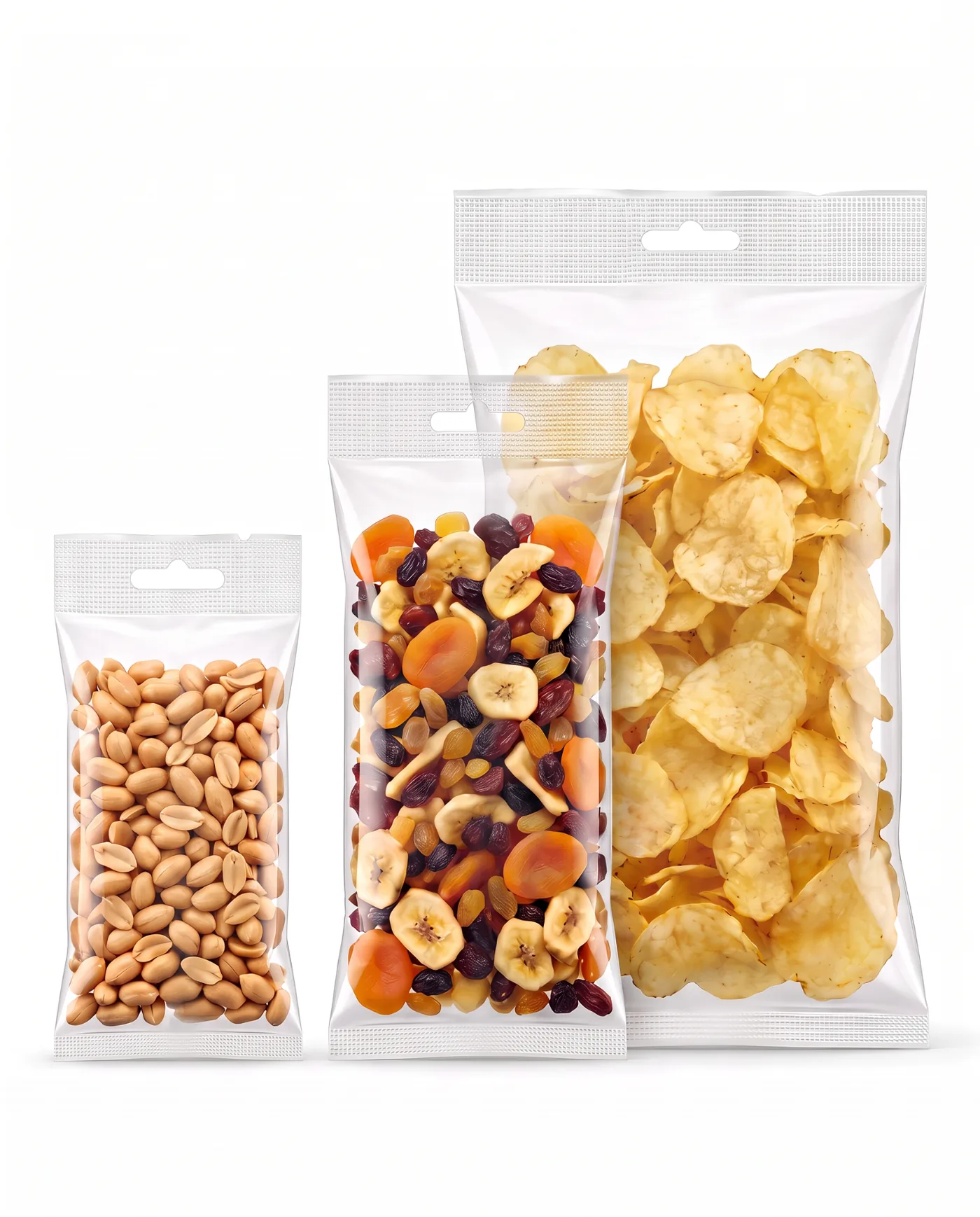
The 3-side-seal flat pouch is the standard format for it because of seal integrity. Three sides are sealed under factory conditions and only the fourth is sealed on your line, and the flat, uninterrupted seal area takes a vacuum or a gas flush cleanly — there is no gusset fold to trap product in the seal or to leak through later.
Vacuum pulls the air out from around the product, which slows oxidation and the rancidity that comes with fat content, and it compacts the pack so it ships densely. Gas flush does the opposite thing visually: it keeps the pack looking full and rounded on shelf, and it protects product that a vacuum would crush. Sliced biltong, crumb-prone product and droëwors usually present better gas flushed than vacuum packed. Which route you take is a line and presentation decision, and the same pouch handles both.
The film matters as much as the format. Higher-barrier structures slow oxygen transmission and buy shelf life on fattier cuts, and a metallised or solid backing keeps light off the product while still leaving a clear front panel so the customer can see the cut and the colour — which is what they actually buy on.